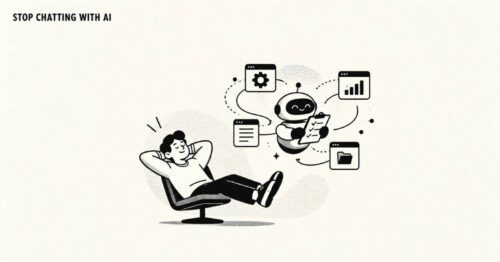
For years, the promise of artificial intelligence in the workplace was centered on the chatbot. We had windows where we typed questions and received answers. It was an interface of inquiry, not an interface of execution. That paradigm shifted on June 30, 2026, with the launch of Claude Sonnet 5. Anthropic has not simply released a more capable model; they have shipped a blueprint for the next generation of enterprise software.
Beyond the Chat Box
The defining characteristic of Sonnet 5 is its agency. While previous iterations focused on reasoning and retrieval, Sonnet 5 is designed to operate. In a business context, this means the difference between a model that tells you how to reconcile a budget and a model that actually accesses your accounting software, identifies the discrepancies, and proposes the corrections for your approval.
This transition from “assistant” to “agent” is driven by a fundamental shift in how the model handles long term state and tool use. Sonnet 5 treats external APIs not as optional plugins, but as primary extensions of its own cognitive process. The model no longer just predicts the next token; it predicts the next necessary action within a complex business workflow.
The Architecture of Autonomy
To understand why Sonnet 5 is a leap forward, we must look at its approach to reliability. The biggest hurdle for AI agents in the enterprise has always been the “hallucination gap.” A mistake in a creative poem is trivial; a mistake in a legal contract or a financial ledger is catastrophic.
Anthropic has addressed this through a more rigorous internal verification loop. Sonnet 5 employs a multi step reasoning process where it simulates the outcome of an action before executing it. It creates a mental sandbox, tests the logic, and only when the confidence threshold is met does it commit the action to the real world. This cautious autonomy is exactly what enterprises require to move AI from the experimental lab into the production environment.
Redefining the Modern Workflow
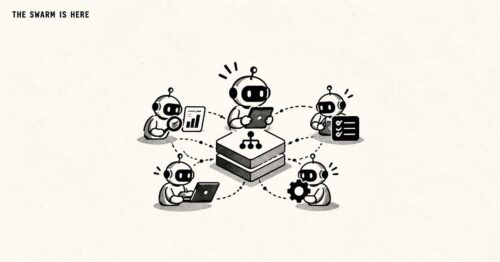
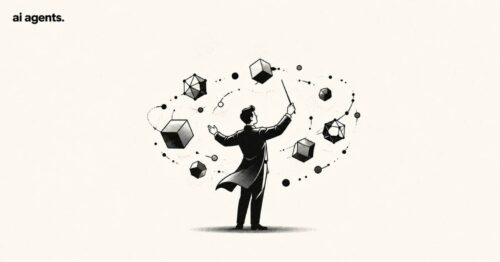
The implications for productivity are profound. We are moving toward a world of “invisible software.” Instead of a human navigating ten different SaaS tabs to complete a single project, the agent acts as the orchestration layer. You define the objective, and the agent manages the toolchain.
Consider a typical procurement cycle. Traditionally, this involves emailing vendors, comparing spreadsheets, and updating a database. With Sonnet 5, the process becomes a single high level directive. The agent handles the communication, parses the responses, performs the analysis, and presents a final recommendation. The human moves from being the operator of the tools to the curator of the outcomes.
The Human Element in an Agentic World
As these agents become more capable, the role of the human professional evolves. The value shifts from the ability to execute a process to the ability to define a strategy. When the “how” is handled by an agent, the “what” and the “why” become the only things that matter.
The challenge now is not technical, but organizational. Companies must redefine their roles and trust frameworks to accommodate a workforce where the most productive members might be non human agents. This requires a new kind of literacy: agent orchestration. The most successful professionals of the next decade will be those who can effectively direct, audit, and refine the work of these digital agents.
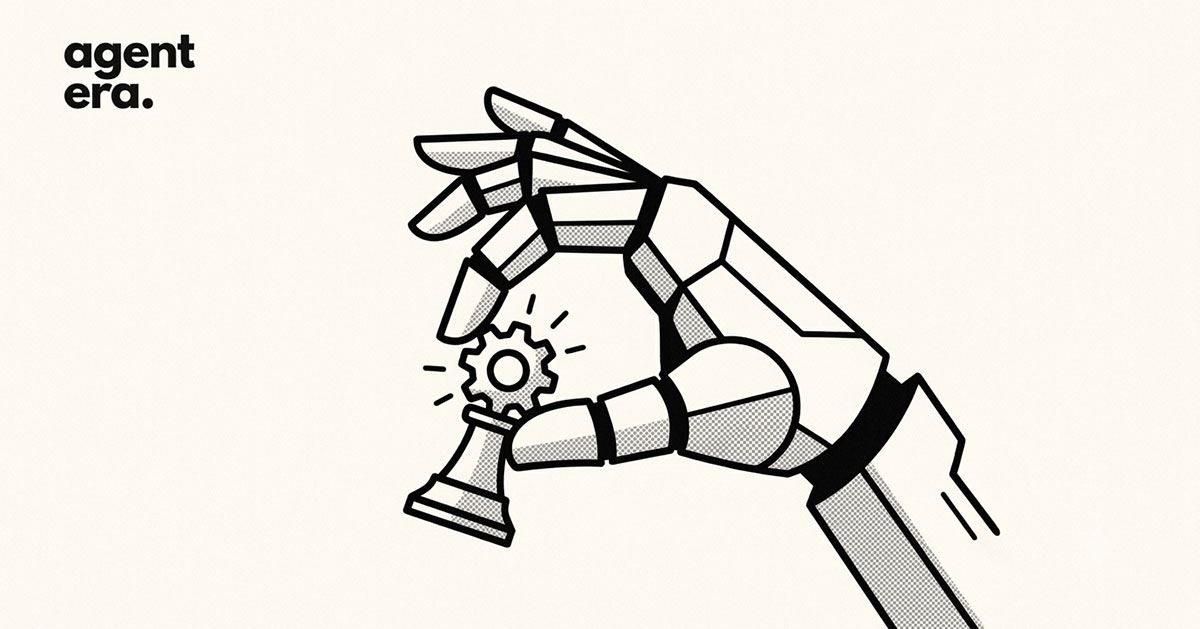
Claude Sonnet 5 is the signal that the era of the chatbot is ending. The era of the agent has arrived, and it is bringing a fundamental restructuring of how work gets done.