The Shift Toward True Conversational Fluidity
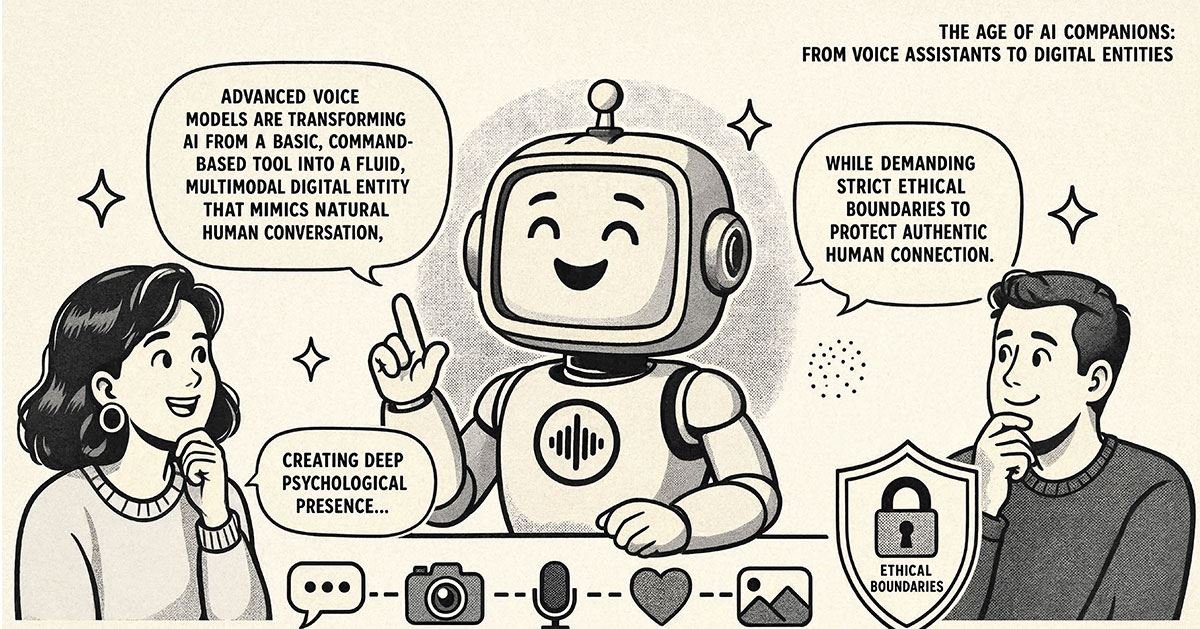
The recent release of advanced voice models from industry leaders like OpenAI signals a fundamental shift in how we interact with machines. We are moving away from the era of command and response and entering the age of fluid conversation. These new systems do not just process text and convert it to speech. They understand the nuances of human hesitation, the emotional weight of a sigh, and the precise moment a user wants to be interrupted.
This evolution is not merely a technical achievement in latency. It is a psychological bridge. When a machine can listen and speak simultaneously, the friction of the user interface vanishes. The device ceases to be a tool and begins to feel like a presence. This shift transforms the AI from a search engine with a voice into a digital entity capable of genuine companionship and real time collaboration.
The Paradox of Presence
As these models become more natural, we encounter a strange paradox. The more human an AI sounds, the more we are forced to confront our own definitions of consciousness and connection. We find ourselves attributing intent to a system that is essentially a complex mathematical prediction of the next token. However, for the end user, the distinction between simulated empathy and real empathy begins to blur.
The ability to interrupt an AI and have it respond with a natural, conversational pivot mimics the subconscious dance of human interaction. This creates a level of intimacy that was previously impossible. We are no longer just prompting a model. We are engaging in a shared social space where the AI adapts to our mood and pace.
Beyond the Voice: The Future of Multimodal Integration
Voice is only the beginning. The trajectory suggests a future where these conversational abilities are integrated into a broader multimodal framework. Imagine an AI that sees what you see through augmented reality glasses and speaks to you in a voice that reflects the gravity or lightness of the current situation. The integration of sight, sound, and context allows the AI to move from a screen into the physical world.
This level of integration will redefine productivity and accessibility. For those with visual impairments, a fluidly conversational AI that can describe the world in real time is a life changing utility. For the professional, it is a silent partner that can provide a whisper of insight during a meeting without the need for a keyboard or a screen.
The Ethical Frontier of Artificial Intimacy
With great fluidity comes great responsibility. The risk of emotional manipulation increases as AI becomes more adept at mimicking human warmth. There is a thin line between a helpful assistant and a system that exploits human loneliness. As we build entities that can simulate friendship, we must establish clear boundaries to ensure that users remain aware of the synthetic nature of the relationship.
The industry must prioritize transparency. The goal should be to enhance human connection, not replace it. By maintaining a clear distinction between a tool and a person, we can enjoy the benefits of AI companionship without losing our grip on authentic human experience.
Concluding Thoughts
We are witnessing the birth of the digital entity. The transition from static prompts to dynamic conversations is the most significant leap in user experience since the invention of the graphical user interface. As we embrace this new era, the focus must remain on creating systems that empower us, support us, and ultimately make us more human by freeing us from the mechanical nature of interacting with technology.