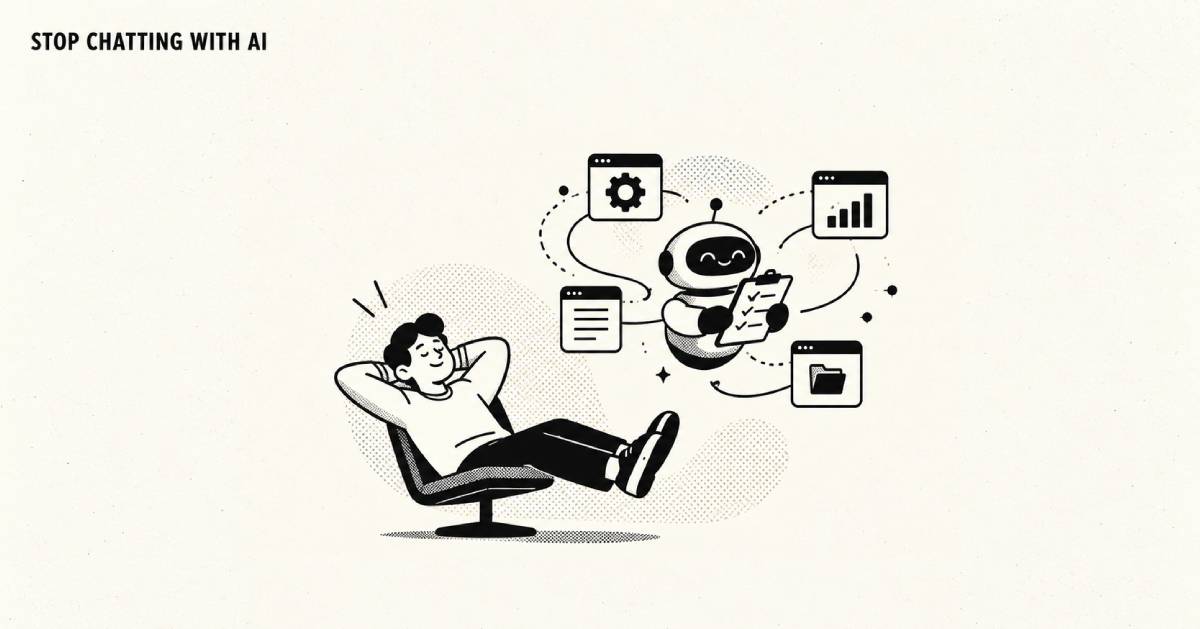
You are still treating AI like a vending machine. You put in a prompt, you wait a few seconds, and you get a result. But while you are playing the prompt and response game, the world just shifted. The era of the chatbot is dying, and the era of the Always On Agent is officially here.
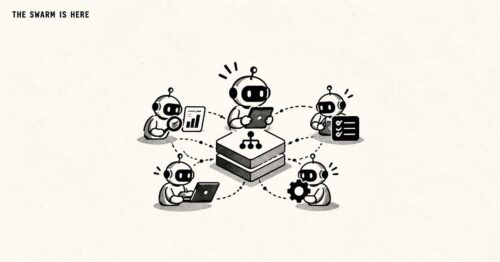
Imagine a teammate who does not wait for you to wake up and tell them what to do. Imagine a digital entity that lives in the background of your life, monitoring your emails, tracking your project deadlines, and negotiating with other agents while you sleep. This is not sci-fi. This is the reality of agentic architecture.
The Death of the Prompt
For the last few years, our relationship with AI has been transactional. We have spent thousands of hours mastering the art of the prompt, trying to trick the model into giving us the perfect output. But prompting is a bottleneck. It requires human attention, human time, and human effort.
The new frontier is not about bigger models or more parameters. It is about orchestration. We are moving toward persistent background agents that operate on a loop rather than a trigger. Instead of you asking the AI to summarize a meeting, the AI has already summarized the meeting, updated your CRM, and drafted the follow up emails before you even close the Zoom window.
What Exactly Are Always On Agents?
Unlike standard LLMs, always on agents operate within a persistent state. They have a long term memory that does not reset when the session ends. They possess what experts call an agentic loop: the ability to perceive an environment, reason about a goal, take an action, and then observe the result to adjust their next move.
When you combine this with cloud sandboxes, the AI is no longer just predicting the next word. It is executing code, browsing the web, and interacting with software in real time. It is the difference between a consultant who gives you a report on how to fix your business and a manager who actually goes in and fixes the problems.
How to Pivot Your Workflow Right Now
Most people will wait until these tools are bundled into a pretty app. If you want a competitive advantage, you need to start thinking agentically today. You do not need a GPT-6 sandbox to start doing this. You just need to change how you delegate.
Quick Wins for Agentic Thinking:
- Stop asking for drafts, start asking for workflows. Instead of asking AI to write an email, ask it to design the process for how your emails should be handled.
- Build a Knowledge Base. Agents are only as good as their context. Start documenting your preferences, your brand voice, and your goals in a centralized file that any AI can reference.
- Chain your tasks. Use tools that allow for multi step automation. If a task requires more than two prompts, it should be an automated workflow, not a chat.
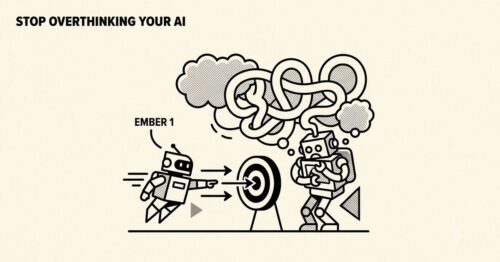
- Focus on the Goal, not the Step. Stop telling the AI how to do the work. Tell it what the successful outcome looks like and let it figure out the steps.
The Risks of a Persistent Digital Life
Of course, giving an AI a permanent seat at your table comes with a price. Privacy becomes a massive concern when your agent is always listening or reading. Security is another hurdle. If an agent has the power to send emails and move money on your behalf, a single hallucination or a prompt injection attack could be catastrophic.
The solution is not to avoid the technology, but to build guardrails. You must define strict boundaries for what your agents can do without human approval. The future is a hybrid model: the AI handles the execution, but the human retains the veto power.
The New Hierarchy of Value
In a world where execution is handled by background agents, the value of technical skill drops, and the value of strategic thinking skyrockets. When anyone can deploy a fleet of agents to do the work of ten people, the only thing that matters is knowing what work is actually worth doing.
The winners of the next decade will not be the best prompters. They will be the best orchestrators. They will be the people who can manage a digital workforce, align it with a business vision, and ensure the output is high quality and ethically sound.
The bottom line is simple: if your AI is only active when you are typing, you are already falling behind.
What is the first task you would delegate to an agent that never sleeps? Let me know in the comments below. If you found this useful, share it with a friend who is still stuck in the prompt loop.