Imagine waking up to a notification that your biggest project of the week is already fifty percent done. Not because you worked overnight, but because your computer did. You did not prompt it ten times. You did not baby-sit the output. You simply gave it a goal three days ago, and it has been quietly executing in the background, navigating your files, coordinating with other apps, and solving roadblocks while you slept.
This is no longer a sci-fi dream. With the launch of OpenAI’s Dots and the broader move toward the AI Operating System, we are witnessing the death of the chatbot and the birth of the Always On Agent.
The Chatbot Era Is Officially Dead
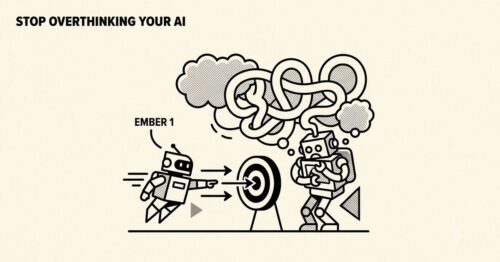
For the last few years, we have lived in the era of the prompt. You type something, the AI replies, and then you refine. It is a transactional relationship. It is essentially a very smart encyclopedia that you can talk to. But let us be honest: prompting is exhausting. The cognitive load of perfectly phrasing a request just to get a usable result is a hidden tax on our productivity.
The shift we are seeing now is a move from Conversational AI to Agentic AI. The difference is simple. A chatbot waits for you to tell it what to do. An agent knows what needs to be done and just does it.
Enter the Dots: The Glue of the AI OS
The introduction of Dots represents a fundamental change in how AI interacts with our digital lives. Instead of a single chat window, we now have these persistent, autonomous nodes that can monitor state, trigger actions, and maintain continuity across different sessions. They act as the connective tissue between your intent and the actual execution.
When AI becomes the operating system, it stops being an app you open. It becomes the layer through which you interact with everything else. Your calendar, your email, your codebase, and your project management tools are no longer silos. They are just data sources for your agents to manipulate.
Why This Changes Everything for Your Workflow
The real magic happens when you move from single tasks to complex workflows. Most of our work is not one big task, but a hundred tiny ones. Finding a file, summarizing a meeting, updating a ticket, and emailing a client. These are the frictions that kill flow state.
Always On Agents eliminate this friction by handling the choreography of work. They do not just write the email; they find the right contact, check your availability, draft the message based on the latest project update, and put it in your drafts for a final one second approval.
Quick Wins to Prepare for the Agentic Shift
You do not need to be a developer to start leveraging this shift. Here are a few ways to position yourself for the AI OS era:
- Audit Your Repetitive Loops: List every task you do more than three times a week that involves moving data between two apps. These are your first candidates for automation.
- Build a Knowledge Base: Agents are only as good as the context they have. Start organizing your notes and documents in a way that is machine readable. Clear headings and consistent naming matter more than ever.
- Shift from Prompting to Goal Setting: Stop asking AI to do a task. Start defining the desired outcome. Instead of saying Write a summary of this meeting, say I want a list of action items sent to the team by Friday.
- Experiment with Agentic Tooling: Explore tools that allow for background execution or trigger based workflows. The sooner you get used to asynchronous AI, the faster you will scale.
The New Skill: AI Orchestration
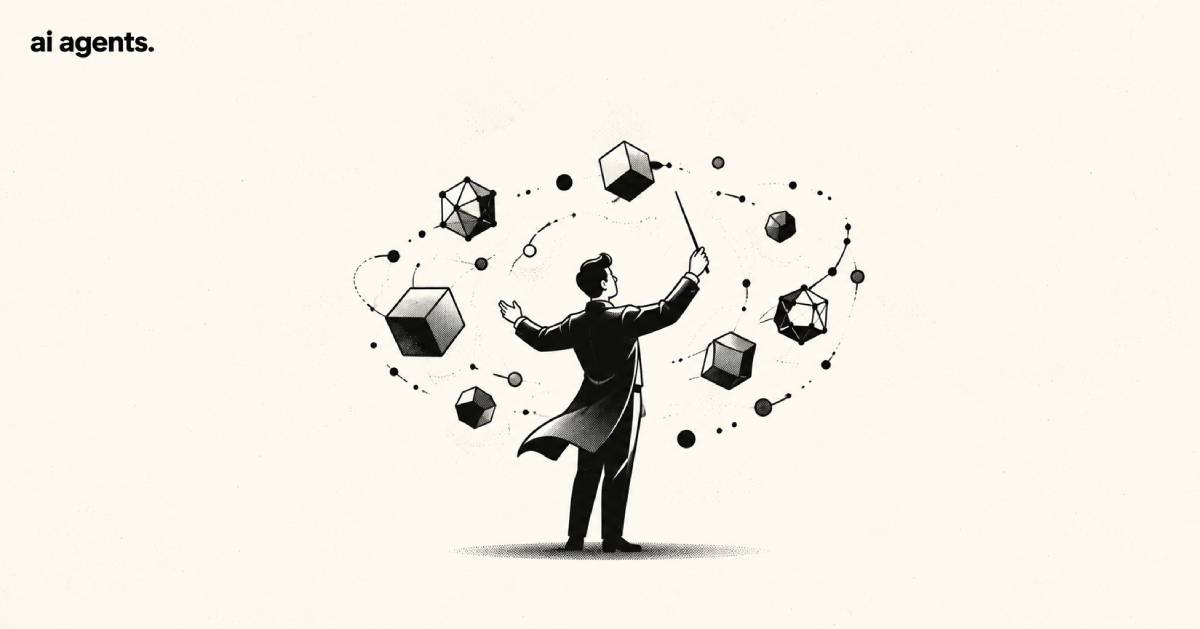
As the technical barrier to execution drops to zero, the most valuable skill in the economy is no longer the ability to do the work, but the ability to orchestrate the agents doing it. We are moving from being the players to being the conductors.
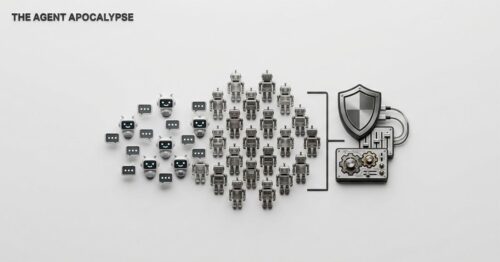
The conductor does not play every instrument. They ensure the violin and the cello are in sync and that the tempo is correct. In the AI OS world, your job is to define the vision, set the constraints, and audit the quality. The actual production is handled by the swarm.
The Road Ahead: Trust and Autonomy
Of course, this comes with a massive trust hurdle. Giving an AI the keys to your operating system is terrifying. We are talking about a tool that can delete files, send emails, and potentially make mistakes in your name. This is why the transition will be gradual, moving from Copilot (it suggests) to Agent (it does with permission) to Autonomous (it does and reports).
The winners of the next decade will be those who learn to trust these systems while maintaining a rigorous layer of human oversight. The goal is not to replace the human, but to remove the boring parts of being human.
Start Your Agentic Journey Today
The window to get an early advantage in the AI OS era is small. The tools are landing now, and the workflow shifts are happening in real time. If you are still treating AI as a fancy search engine, you are already falling behind.
Stop chatting. Start orchestrating.
What is the first task you would hand over to an Always On Agent if you knew it would not mess up? Let me know in the comments below or share this post with a friend who is still stuck in the prompt loop.