The global information technology landscape is currently undergoing a seismic shift, moving away from a decade of heavy reliance on centralized cloud infrastructures toward a more distributed approach. As the volume of data generated by users, devices, and sensors grows exponentially, the traditional model of sending every byte of information to a distant data center for processing has become increasingly inefficient. Edge computing has emerged as the definitive solution to this bottleneck, positioning compute power, storage, and networking closer to the point of data generation. This paradigm shift is not merely a technical adjustment but a fundamental reimagining of how digital services are delivered, ensuring that the next generation of applications—from autonomous vehicles to industrial automation—can operate with the speed and reliability that the modern world demands.
Bridging the Latency Gap for Real-Time Performance
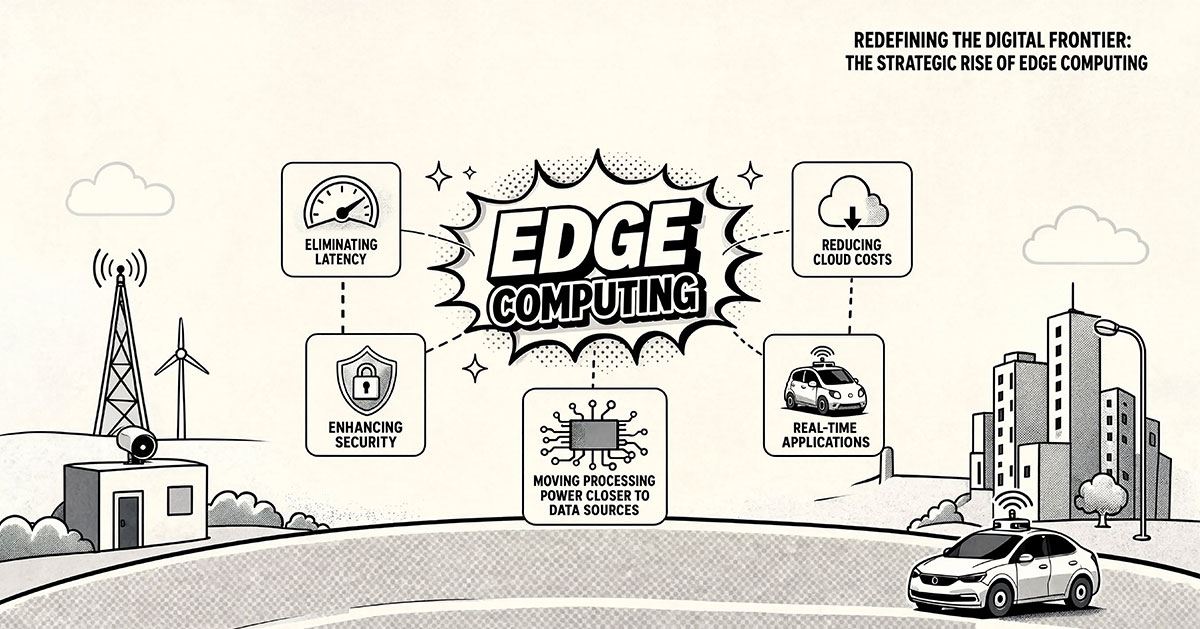
In the realm of high-performance IT, latency is the ultimate enemy. Whether it is a financial trading platform requiring microsecond executions or a remote surgical tool where every millisecond counts, the physical distance between the data source and the processing hub creates a lag that can be detrimental. Edge computing solves this by processing data locally or at a nearby edge node. By significantly reducing the round-trip time required for data transmission, organizations can achieve near-instantaneous response times. This capability is the cornerstone of modern real-time analytics, allowing systems to react to changing conditions as they happen, rather than after a delay that might render the data obsolete.
Enhanced Security and Localized Data Governance
As cyber threats become more sophisticated, the centralization of sensitive data presents a massive attack surface for malicious person. Edge computing offers a more resilient alternative by decentralizing the data footprint. When data is processed at the edge, it does not always need to travel across the public internet to reach a central server, thereby reducing the risk of interception during transit. Furthermore, edge architectures allow for better compliance with localized data sovereignty laws. In an era where privacy regulations like GDPR are strictly enforced, the ability to keep sensitive information within a specific geographic or organizational boundary is a significant strategic advantage for IT departments worldwide.
Optimizing Bandwidth and Reducing Infrastructure Costs
The sheer volume of data produced by modern enterprises is staggering, and the cost of transporting this data to the cloud is rising. Edge computing acts as a sophisticated filter, processing raw data at the source and only sending relevant, summarized information to the central cloud for long-term storage or deeper analysis. This optimization drastically reduces the amount of bandwidth consumed, which in turn lowers operational costs. For businesses operating in remote locations with limited connectivity, such as oil rigs or rural manufacturing plants, edge computing ensures that critical operations remain functional even when the connection to the primary data center is intermittent or slow.
Empowering the Internet of Things (IoT) Ecosystem
The proliferation of IoT devices is perhaps the strongest driver for the adoption of edge computing. With billions of smart devices connected globally, the traditional cloud-only model simply cannot scale to handle the influx of telemetry data. Edge nodes provide the necessary infrastructure to manage these massive device fleets efficiently. By performing initial data crunching and device management locally, edge computing enables IoT ecosystems to be more autonomous and scalable. This is particularly vital for smart city initiatives, where thousands of sensors monitoring traffic, air quality, and energy usage must communicate and coordinate without overloading the city’s core network.
A Hybrid Synergy: The Future of Distributed Intelligence
It is important to understand that edge computing is not a replacement for the cloud; rather, it is a powerful extension of it. The future of IT lies in a hybrid model where the edge handles immediate, time-sensitive tasks, while the cloud provides the heavy-duty computing power needed for complex machine learning model training and historical data archiving. This synergy allows for a distributed intelligence framework where data is processed exactly where it makes the most sense. As networks continue to roll out globally, the integration between the edge and the cloud will become even more seamless, providing a robust foundation for the innovations of the next decade.
Conclusion: Navigating the New Era of IT Infrastructure
In conclusion, the rise of edge computing represents a critical milestone in the evolution of information technology. By addressing the fundamental challenges of latency, security, and bandwidth, it empowers organizations to build more responsive, resilient, and efficient digital ecosystems. As we look forward, the ability to effectively deploy and manage distributed architectures will be a key differentiator for IT professionals and enterprises alike. Embracing the edge is no longer an option but a necessity for any organization looking to thrive in an increasingly data-driven world. The digital frontier is expanding, and the edge is where the most exciting innovations are currently taking place.