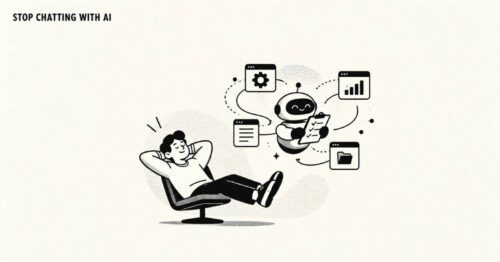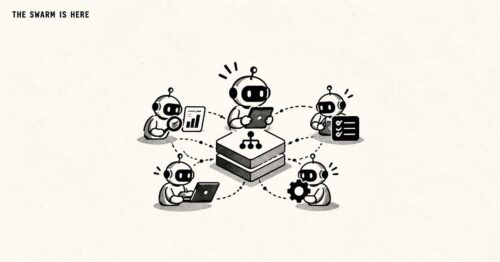
For the last couple of years, we have been obsessed with the chatbot. We learned how to prompt, how to iterate, and how to treat a LLM like a very smart but occasionally hallucinating intern. But the novelty of the chat box is wearing thin. The real value is not in a tool that talks, but in a tool that acts.
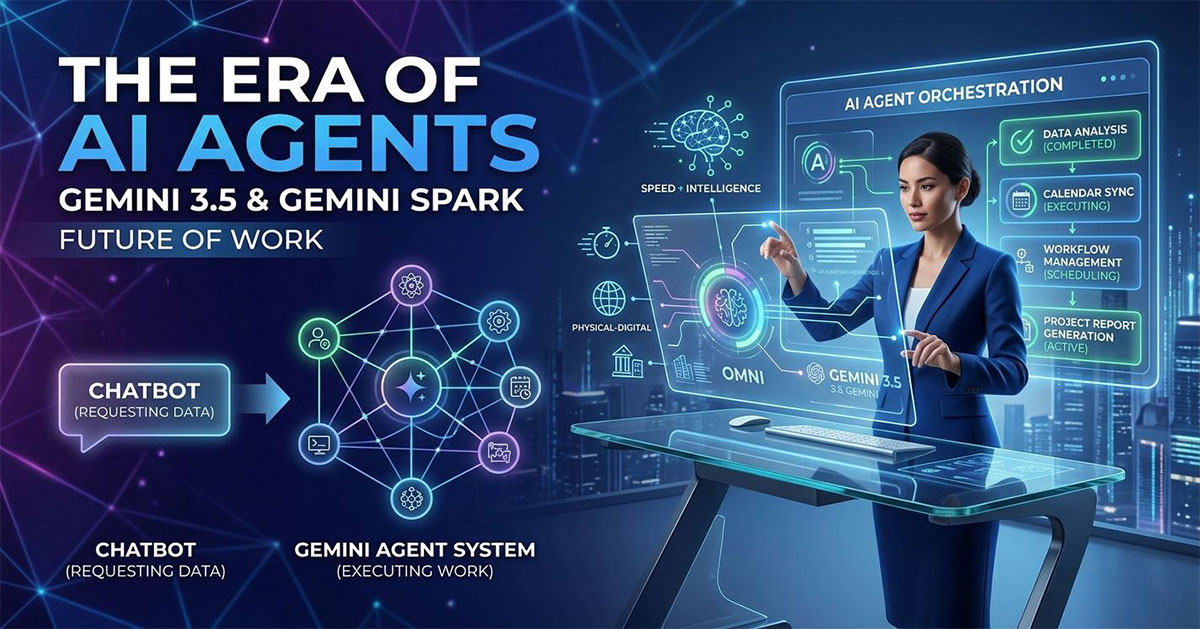
Google recently made this shift official with the unveiling of Gemini 3.5 and the introduction of Gemini Spark. While the version number update brings the usual improvements in speed and reasoning, the real story is the move toward agentic AI. This is no longer just about predicting the next token. It is about executing complex workflows without a human holding its hand every two seconds.
The Shift from Chatbots to Agents
Most of us use AI today as a retrieval system. You ask a question, it gives you an answer, and you do the work of applying that answer. An AI agent flips this script. Instead of providing a list of steps to solve a problem, an agent takes those steps for you.
Gemini Spark represents this transition. It is designed to go beyond the standard search query. Imagine an AI that does not just tell you which flights are cheapest but actually monitors the prices, coordinates with your calendar, and handles the booking process. That is the promise of the agentic era. We are moving from AI as a consultant to AI as an operator.
The Role of World Models and Omni
One of the more technical but crucial parts of this announcement is the new world model called Omni. To act in the real world, an AI needs more than just text patterns. It needs a fundamental understanding of how physical and digital environments operate. By integrating a world model, Google is attempting to give its agents a sense of spatial and logical continuity.
This allows the AI to understand context in a way that previous versions could not. It means fewer errors in execution and a much higher degree of reliability when the agent is tasked with managing a digital workspace or navigating a complex software suite.
What This Means for Professionals
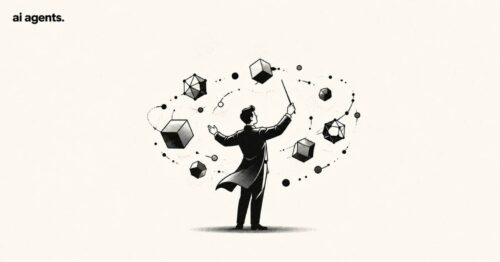
If you are a business owner or a digital strategist, the implication is clear. The barrier to entry for executing complex technical tasks is dropping even further. We are entering a period where the primary skill will not be the ability to execute a task, but the ability to orchestrate the agents that do the execution.
The danger here is the temptation to automate everything blindly. Efficiency is great, but strategic intent still requires a human. The winners of this era will be those who can maintain a high level of quality control while leveraging agents to handle the grunt work.
Final Thoughts
The race between Google, OpenAI, and Anthropic is no longer about who has the largest model. It is about who can build the most reliable agent. As Gemini 3.5 and Spark roll out, the goal is clear: make the AI invisible and the results inevitable.
It is time to stop thinking about how to talk to your AI and start thinking about what you want your AI to accomplish.