The information technology landscape is currently undergoing one of the most significant transformations in its history, driven primarily by the rapid advancement of artificial intelligence. While automation has been a part of the tech world for decades, the current era of generative AI and machine learning is fundamentally different. It is no longer just about following pre-programmed scripts; it is about systems that can learn, adapt, and create. This shift is affecting every corner of the industry, from the way software is developed to how global networks are secured. As we move further into this decade, the integration of AI into standard IT workflows is becoming a necessity rather than an experimental luxury. Understanding these changes is crucial for anyone involved in the technology sector, as the boundaries between human logic and machine intelligence continue to blur in exciting ways.
Revolutionizing the Development Life Cycle
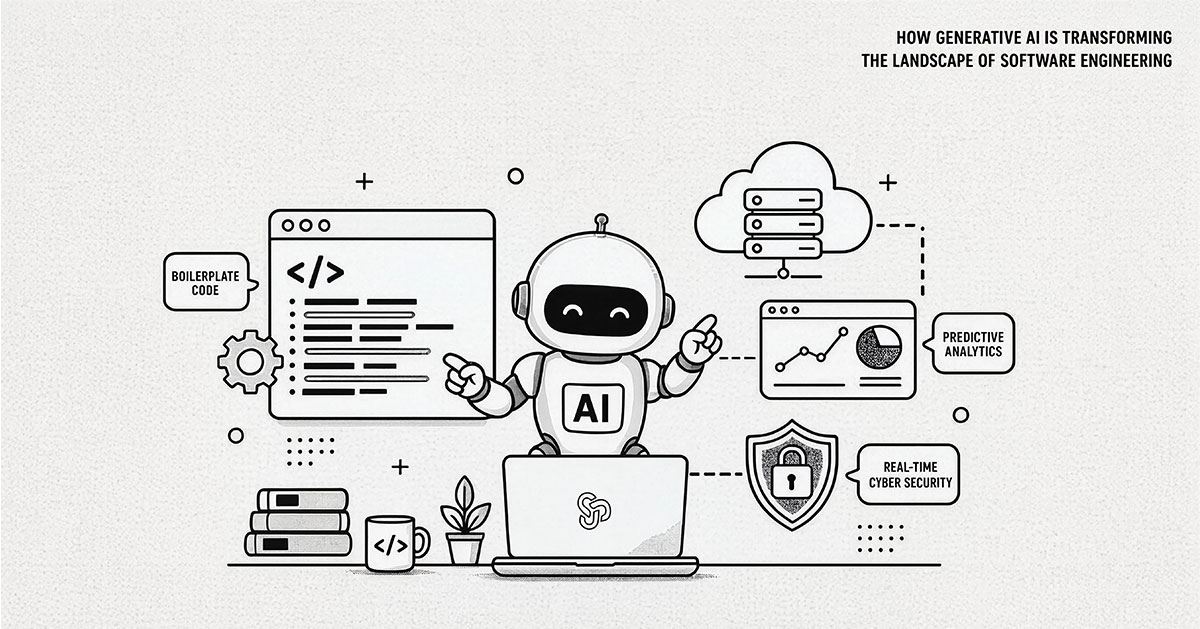
The way developers approach coding is changing fundamentally. In the past, writing software involved hours of manual syntax checking and boilerplate creation. Today, intelligent assistants are capable of generating entire blocks of code based on simple natural language prompts. This does not mean the role of the developer is disappearing; rather, it is evolving into a more architectural position. Engineers are now focusing on high-level design and logic while AI handles the repetitive tasks. This acceleration in the development life cycle allows for faster deployment of products and services, enabling companies to respond to market demands in real-time. Furthermore, AI-driven debugging tools can now predict where errors might occur before the code is even executed, significantly reducing the time spent on maintenance and troubleshooting.
Autonomous Infrastructure and Cloud Management
Managing complex cloud environments has become a monumental task for human operators alone. The sheer volume of data and the speed at which resources must be scaled require a level of precision that only AI can provide. We are seeing the rise of autonomous infrastructure, where machine learning algorithms monitor system health, predict potential failures, and automatically reallocate resources to prevent downtime. These self-healing networks can detect anomalies in traffic patterns and adjust bandwidth or storage without human intervention. This shift towards AI Ops (Artificial Intelligence for IT Operations) is making global digital infrastructure more resilient and efficient. It allows IT teams to move away from reactive firefighting and focus on proactive innovation that drives the industry forward.
Data-Driven Insights and Predictive Analytics
Data has often been called the new oil, but raw data is useless without the means to refine it. Modern AI models are capable of processing petabytes of information in seconds, uncovering patterns that would be impossible for humans to see. In the IT industry, this translates to better decision-making processes. Companies can now predict user behavior, market trends, and even potential hardware failures with incredible accuracy. This predictive capability is being integrated into consumer applications, enterprise resource planning systems, and logistics software. By turning historical data into a roadmap for the future, AI is enabling a more strategic approach to technology investments and product development across the globe, ensuring that resources are used where they have the most impact.
Strengthening Cyber Security with Intelligent Defense
As technology advances, so do the threats against it. Cyber attacks are becoming more sophisticated, often using AI themselves to find vulnerabilities. To counter this, the IT security sector is deploying advanced AI systems that act as digital immune systems. These tools do not just look for known viruses; they monitor network behavior to identify anything that looks suspicious. If a user’s login pattern suddenly changes or if data starts moving to an unusual location, the AI can instantly isolate the threat. This real-time response is critical in an era where a few seconds can mean the difference between a minor incident and a massive data breach. AI is effectively leveling the playing field in the ongoing battle for digital security by providing constant, unblinking vigilance.
Final Thoughts: Navigating the Future of an AI-First World
The integration of artificial intelligence into the information technology sector is not just a passing trend; it is a fundamental shift in how we interact with machines and build digital ecosystems. From accelerating software development to securing global networks, AI is providing the tools necessary to handle the complexity of the modern world. As these technologies continue to mature, the focus will likely shift towards creating more ethical, transparent, and efficient AI systems. For those working in the tech industry, staying updated on these advancements is essential for growth. We are entering a period where the synergy between human creativity and machine efficiency will define the next generation of digital innovation. The journey has just begun, and the potential for positive impact across the global IT landscape is virtually limitless.