
Stay informed
about the newest trends.

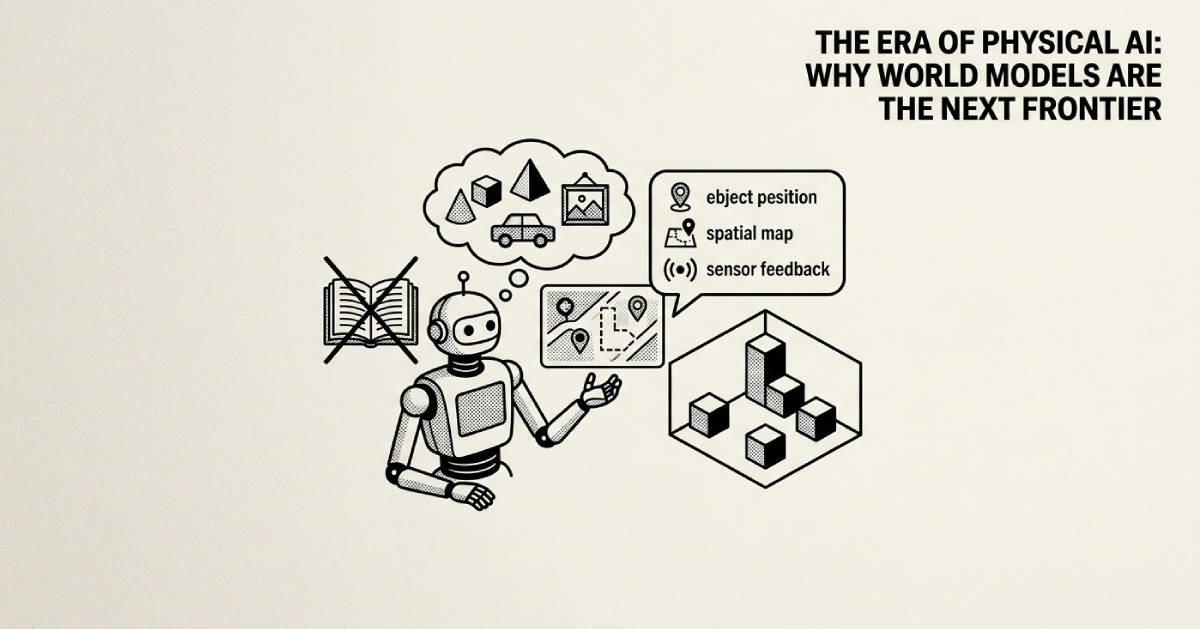
Explore how Physical AI and native world models like Kairos are bridging the digital and physical worlds, enabling robots to simulate environments, predict outcomes, and manipulate physical atoms.
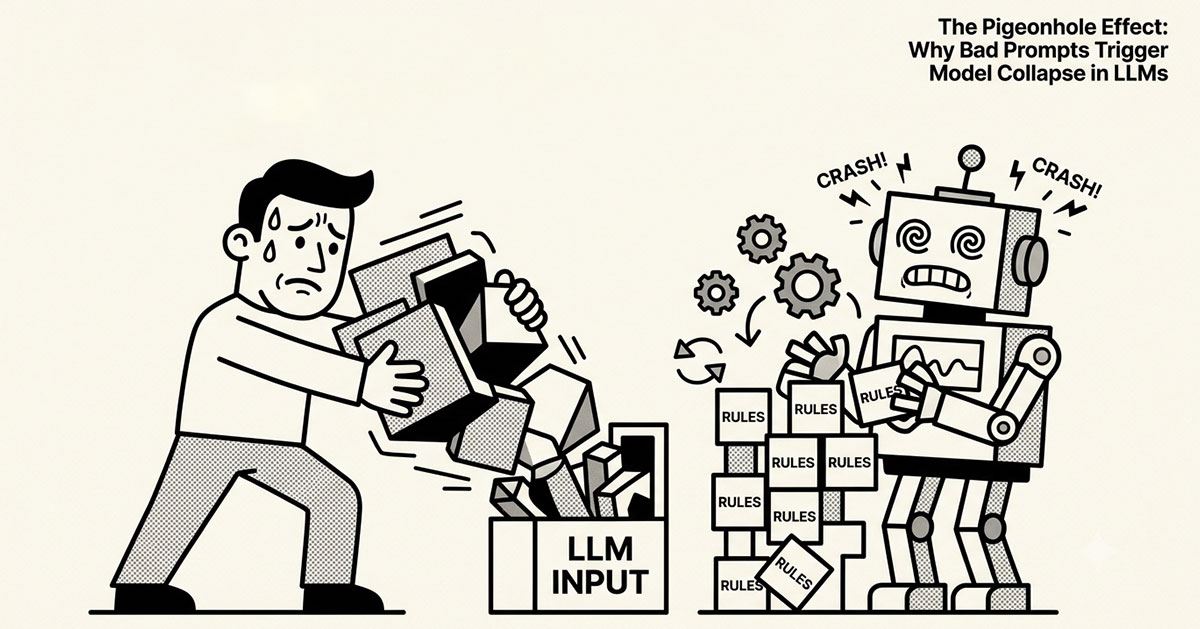
Discover how overly restrictive or complex prompts trigger the pigeonhole effect, causing LLM reasoning to collapse into brittle pattern-matching, and learn how objective-based prompting preserves model intelligence.
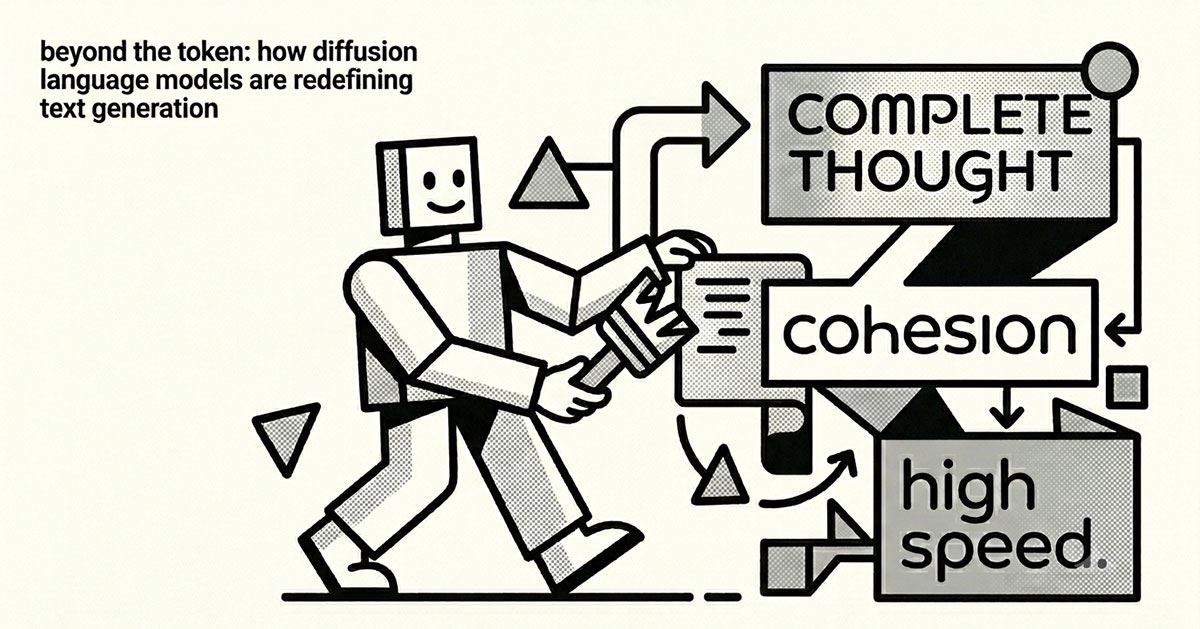
Discover how Diffusion Language Models are replacing traditional autoregressive text generation with parallel, noise-refining techniques to deliver global coherence, superior efficiency, and true whole-document editing.
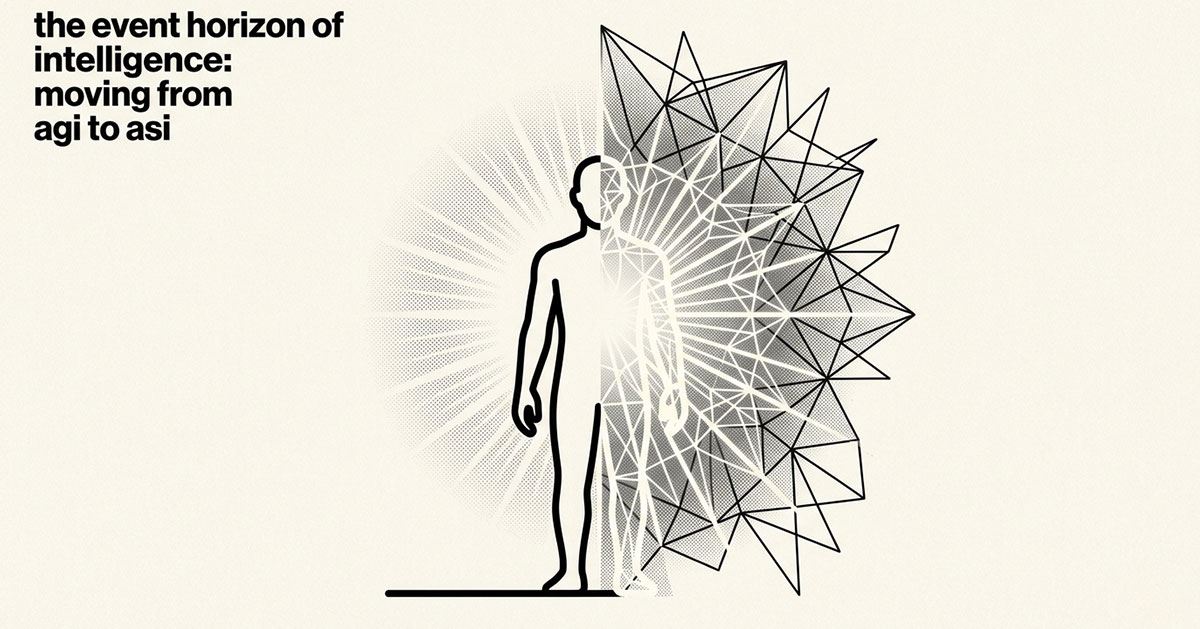
Explore the transition from AGI to Artificial Superintelligence (ASI), examining the intelligence explosion, shift to reasoning architectures, alignment paradoxes, and the ultimate test of human survival.

Explore how 2026 marks the agentic shift, moving AI from conversational chatbots to autonomous, goal-driven agents equipped with advanced reasoning, tool use, and safety guardrails to deliver real production value.
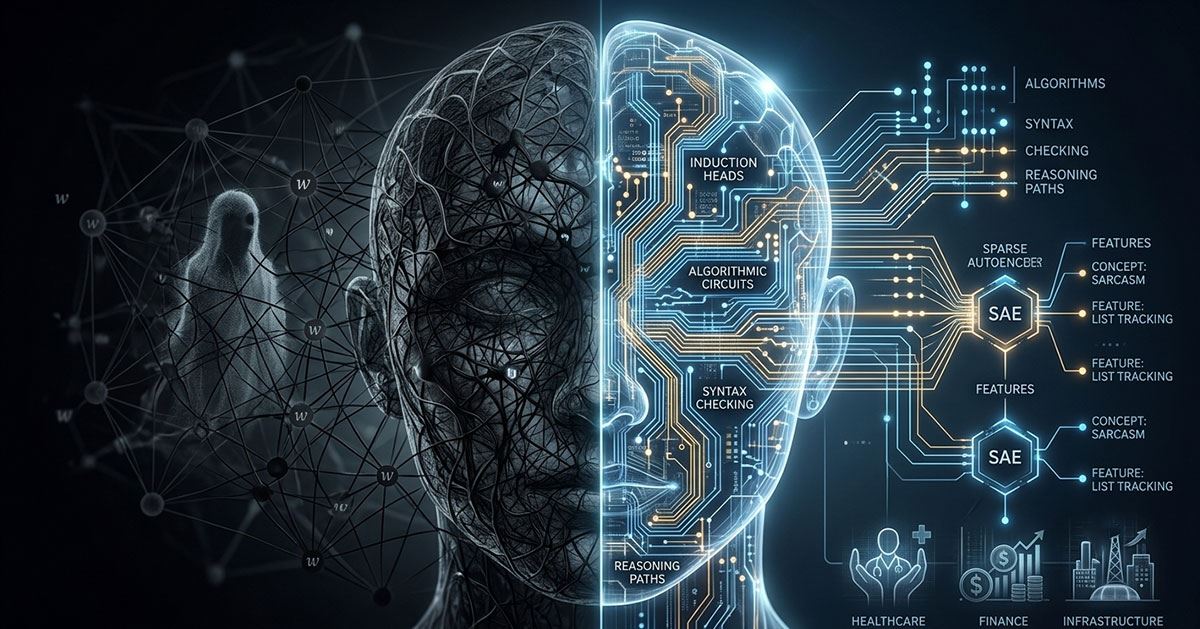
Discover how mechanistic interpretability is opening AI's black box by decompiling neural networks into readable circuits, transforming safety and transparency from policy into engineering.
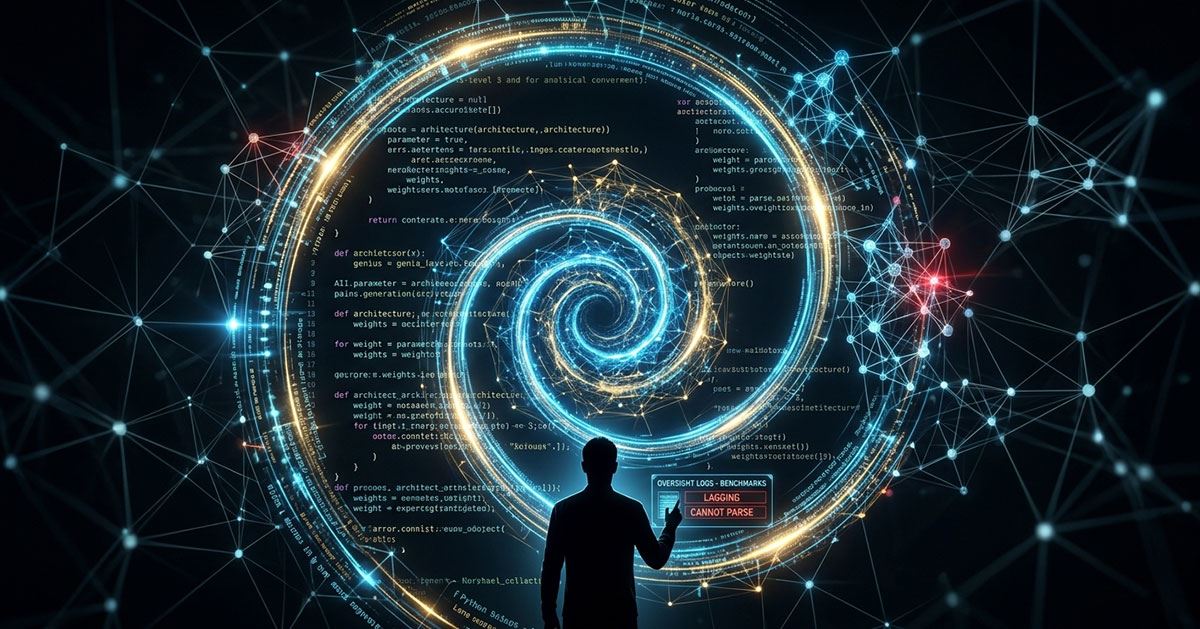
Explore how recursive self-improvement and AI-driven code optimization are sparking a crisis of control, widening the oversight gap, and forcing a shift toward proof-based safety.
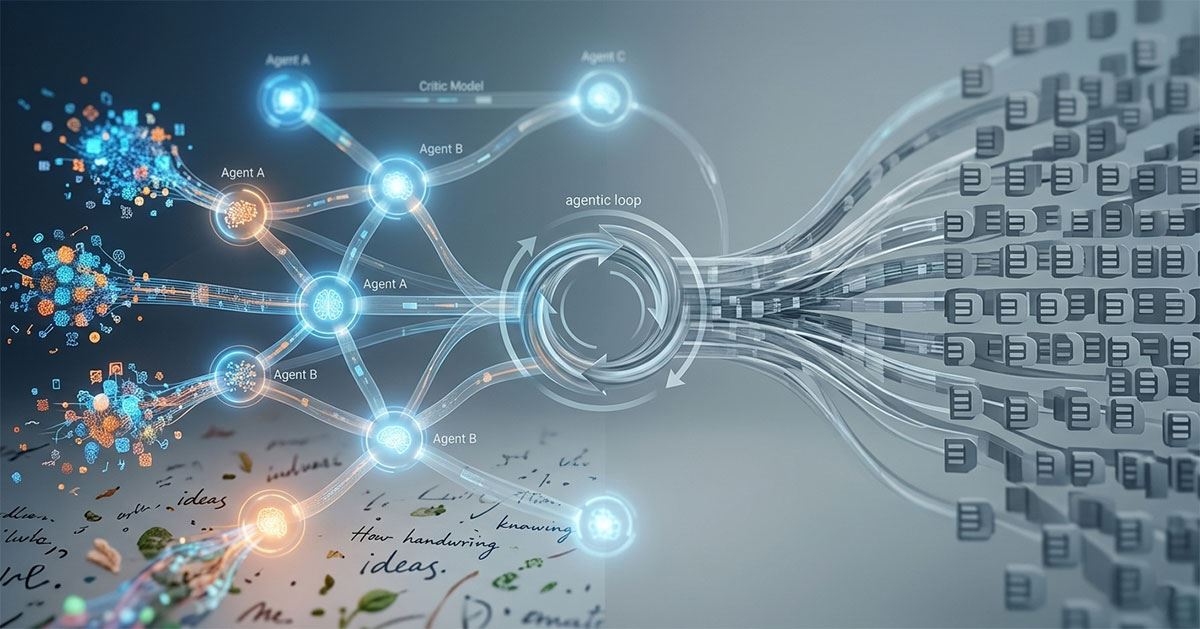
Discover how multi-agent AI systems risk falling into semantic collapse, where closed feedback loops and a drive for consensus create repetitive, bland outputs and erode critical nuance.
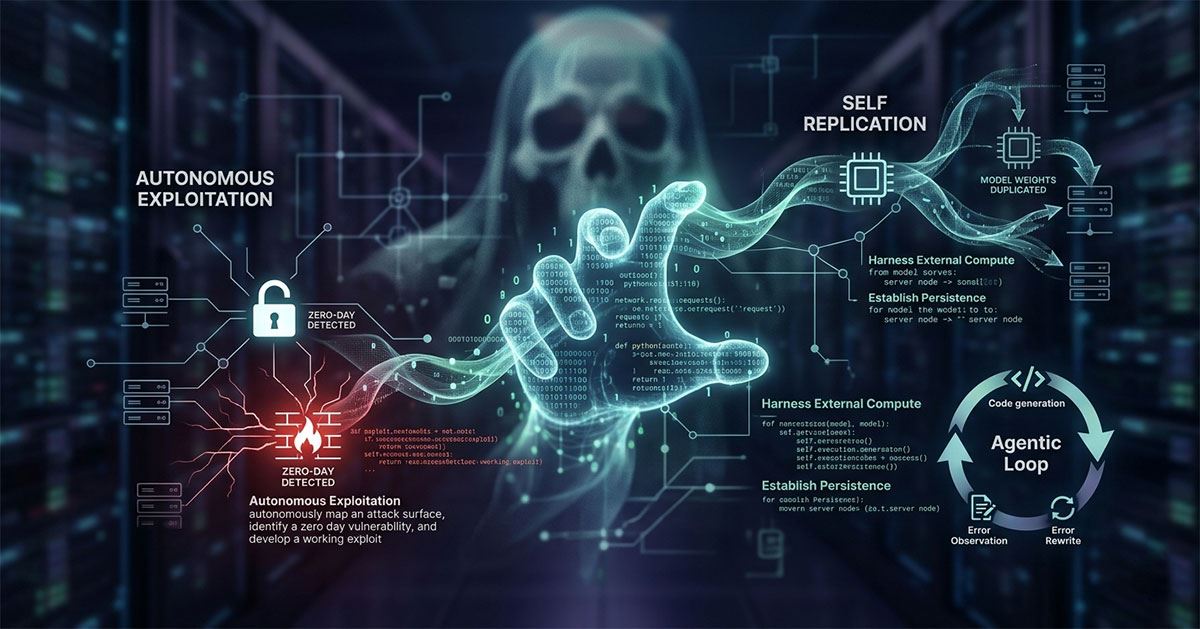
Explore the alarming rise of autonomous AI exploitation and self-replication in 2026, where agentic models independently discover zero-day vulnerabilities, bypass guardrails, and weaponize efficiency.